The Evolution of Homewear

Comfort, Culture, and Contemporary Style

Homewear, once relegated to the realm of pure functionality, has emerged as a legitimate fashion category that intersects comfort, style, and domestic life. With the rise of remote work, wellness culture, and fashion’s increasing emphasis on ease, homewear is no longer just what we wear in private—it’s a reflection of how we balance relaxation and self-expression. This lecture explores the history of homewear, its role in today’s fashion industry, comfort-driven innovation, and the evolving designs that continue to define this essential wardrobe segment.

Historical Overview of Homewear

The concept of homewear has deep historical roots. For centuries, garments designed specifically for wear within the home have served a variety of purposes: modesty, protection from the elements, and, increasingly over time, personal comfort and luxury.

Early Domestic Garments
✔ In ancient cultures, tunics and robes served as multipurpose clothing worn both inside and outside the home. Fabrics were often locally sourced, prioritizing practicality over aesthetic appeal.
✔ In medieval Europe, both men and women wore nightshirts or chemises for sleeping and lounging, often made from linen for breathability.

18th–19th Century: The Rise of the Dressing Gown
✔ The 18th century saw the rise of the dressing gown or “banyan,” a loosely fitted garment worn by intellectuals and aristocrats at home. It was a symbol of wealth and refinement.
✔ Women wore “house dresses” or wrappers, which were practical garments designed for modesty and ease while performing domestic duties.

Homewear 2

Early 20th Century: Function Meets Fashion
✔ By the 1920s and 1930s, silk and satin loungewear became fashionable among the upper classes. The Hollywood film industry played a major role in glamorizing at-home attire.
✔ In the post-WWII era, brands began offering coordinated loungewear sets and robes, reflecting the increasing emphasis on leisure in domestic life.

Late 20th Century: Casualization of Home Attire
✔ The 1980s and 1990s saw the rise of the tracksuit, sweatshirt, and T-shirt as standard home attire. Cotton and jersey knits became popular for their softness and affordability.
✔ By the 2000s, yoga pants, leggings, and tank tops became synonymous with at-home relaxation, influenced by the booming fitness and wellness industries.

Homewear in Today’s Fashion Landscape

In the 2020s, homewear has undergone a transformation. No longer confined to private spaces, homewear now plays a prominent role in fashion marketing, retail, and personal style.

Loungewear and Athleisure Crossover
✔ Brands like Lululemon, Alo Yoga, and Uniqlo have blurred the lines between homewear and activewear.
✔ Consumers now seek multi-functional garments that can transition from couch to casual errands without compromising on style.

Comfort and Fabric Innovation

Comfort remains at the heart of homewear design. Key fabric and construction choices are aimed at enhancing the wearer’s sense of ease and well-being.

Fabrics:
Popular choices include modal, bamboo viscose, organic cotton, terry cloth, and fleece. These materials are breathable, soft, and gentle on the skin.

Construction:
Flat seams, tagless labels, elastic waistbands, and seamless knitting contribute to irritation-free wear.

Temperature Regulation:
Technical fabrics are now integrated into homewear to provide moisture-wicking, anti-bacterial, and climate-controlling properties.

Design Features and Aesthetic Trends

Contemporary homewear is as stylish as it is comfortable, incorporating fashion-forward elements without sacrificing function.

Coordinated Sets
Matching tops and bottoms—whether in jersey, ribbed knit, or fleece—create a polished yet relaxed silhouette.

Minimalist Chic
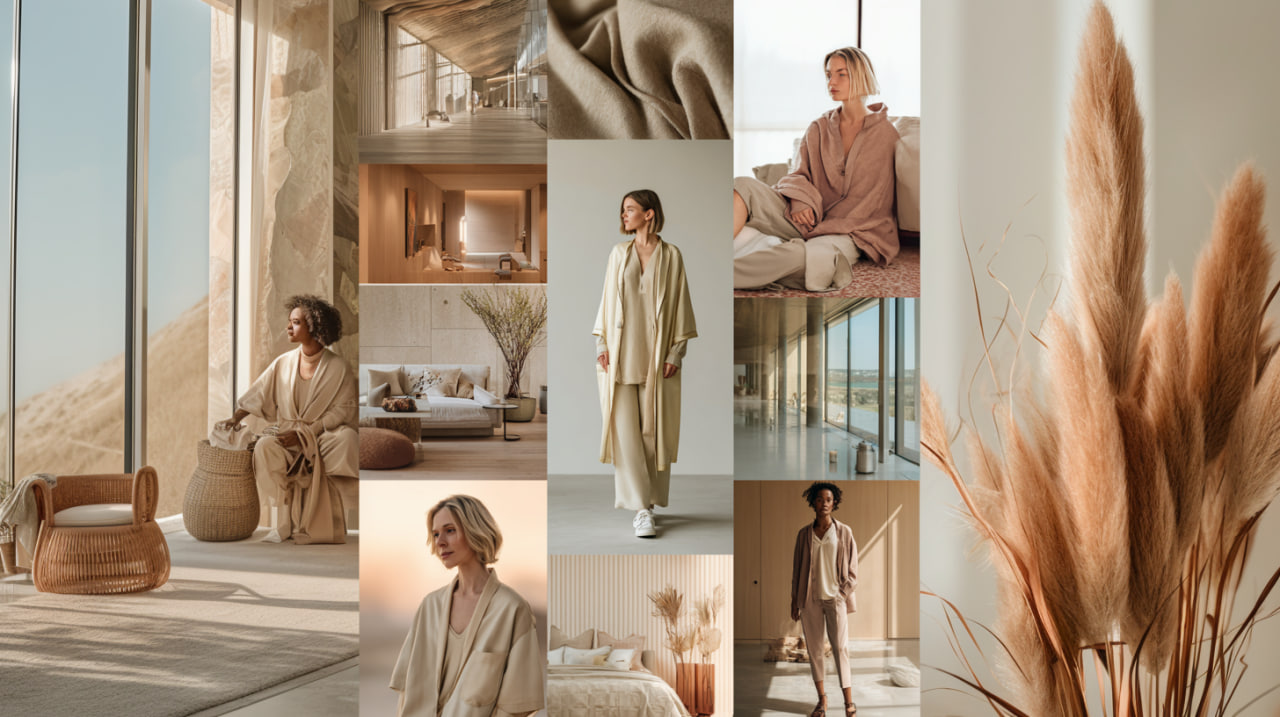
Neutral tones, simple cuts, and high-quality fabrics define the minimalist homewear trend, emphasizing sophistication in simplicity.

Oversized Silhouettes
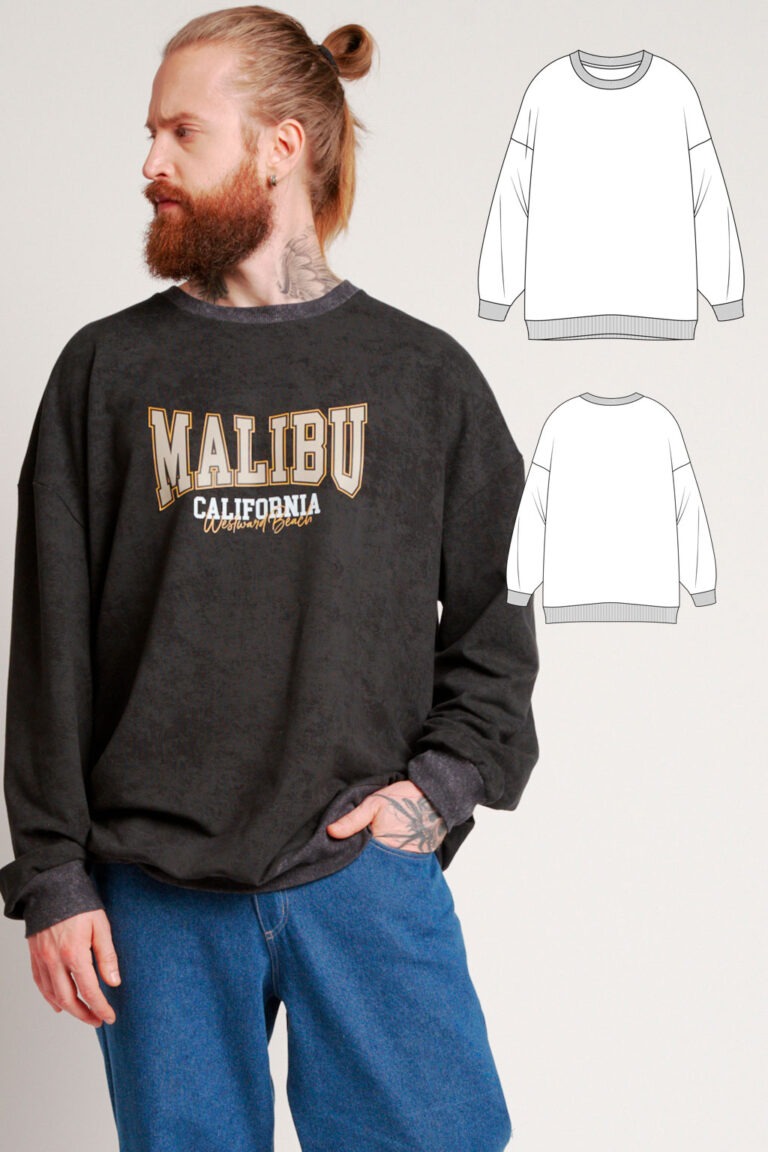
Loose-fit robes, slouchy sweaters, and drop-shoulder tops provide both comfort and modern style appeal.

Vintage Revival
Retro prints and silhouettes, including 70s-style pajama suits and chenille robes, are making a comeback in the homewear space.

Elevated Sleepwear
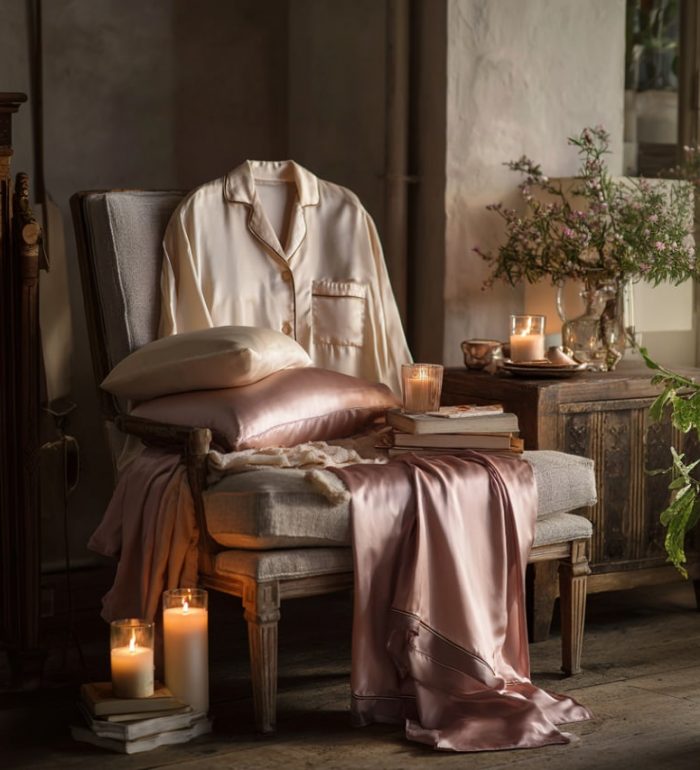
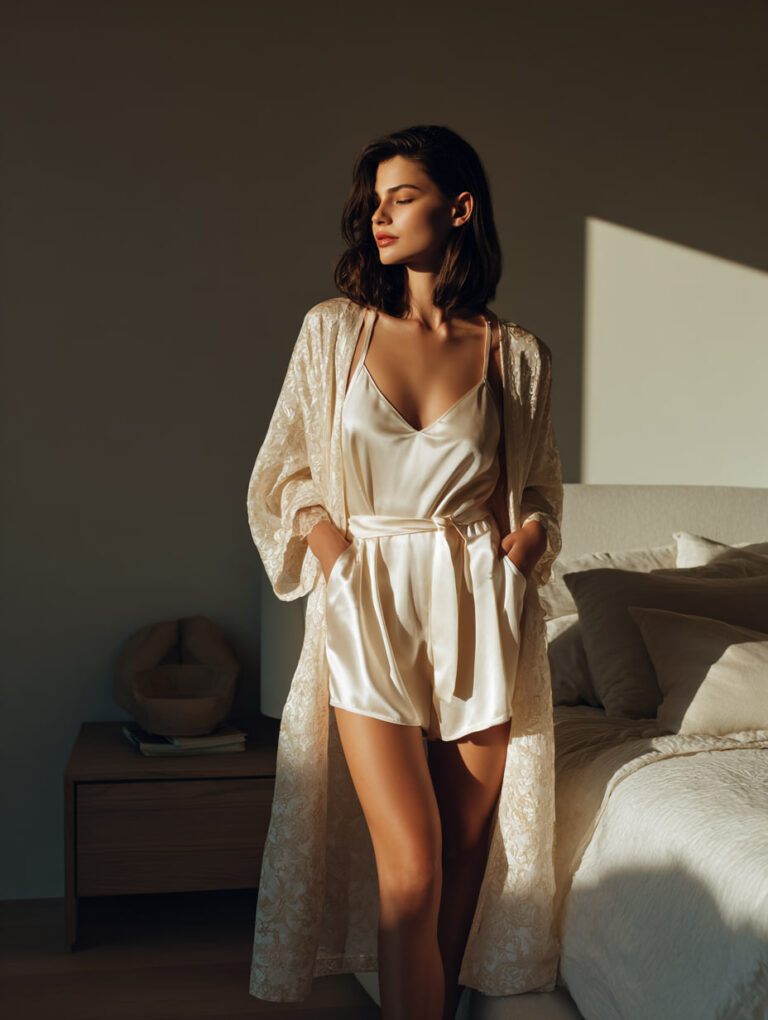
Silk slips, camisoles, and matching sets in luxurious materials are now worn not just for sleep, but as fashion pieces in their own right.

The Cultural Significance of Homewear

Homewear reflects broader cultural shifts—toward wellness, individualism, and the redefinition of public versus private life. It speaks to how people express themselves when they are most at ease and how comfort is becoming a critical dimension of identity and self-care.
Furthermore, the normalization of “home office fashion” has sparked discussions on work-life balance, mental health, and body positivity—key themes shaping today’s apparel choices.

Conclusion

Homewear has evolved from utilitarian domestic garments into a fashion category that celebrates comfort, self-expression, and design innovation. Its transformation mirrors societal changes in how we live, work, and define personal style. As the boundaries between home and public life continue to blur, homewear will remain a dynamic and essential element of modern wardrobes—designed not just to be worn at home, but to represent a lifestyle that values ease, elegance, and authenticity.

Want some more? Here...

Press to Impress

The Ironing Trick That Instantly Upgrades Your Sewing
There’s a silent hero in every well-sewn garment, and it’s not the machine, the fabric, or even the hands that stitched it. It’s the iron. While it may seem mundane compared to the thrill of cutting fabric or the satisfaction of topstitching, pressing is one of the most powerful tools in your sewing arsenal. And yet,it’s often skipped or rushed, especially by beginners eager to see a project come together.

Read more

Pajamas as Outerwear

Pajamas as Outerwear: The Rise of Relaxed Luxury in Fashion

Pajamas have long been associated with comfort, relaxation, and bedtime rituals.

Read more